Creator
Design
Place media and reviewed room cues on a timeline for a specific experience.
 Sense Director

PATENT PENDING · CREATOR / PRESENTER / VIEWER
Sense Director helps creators choreograph media with approved local responses, so a movie, concert, game, presentation or wellness session can reach into the room around the audience.
Concept illustration · No venue, artist or deployment implied
ONE PLATFORM · THREE HUMAN ROLES
People of any age can occupy any role. Seniors are part of the audience and the creative team, not the only people the platform serves.
Creator
Place media and reviewed room cues on a timeline for a specific experience.
Presenter
Deliver the program, invite participation, and keep pause, stop and fallback controls close.
Viewer
Watch, listen and choose which approved local responses are part of the session.
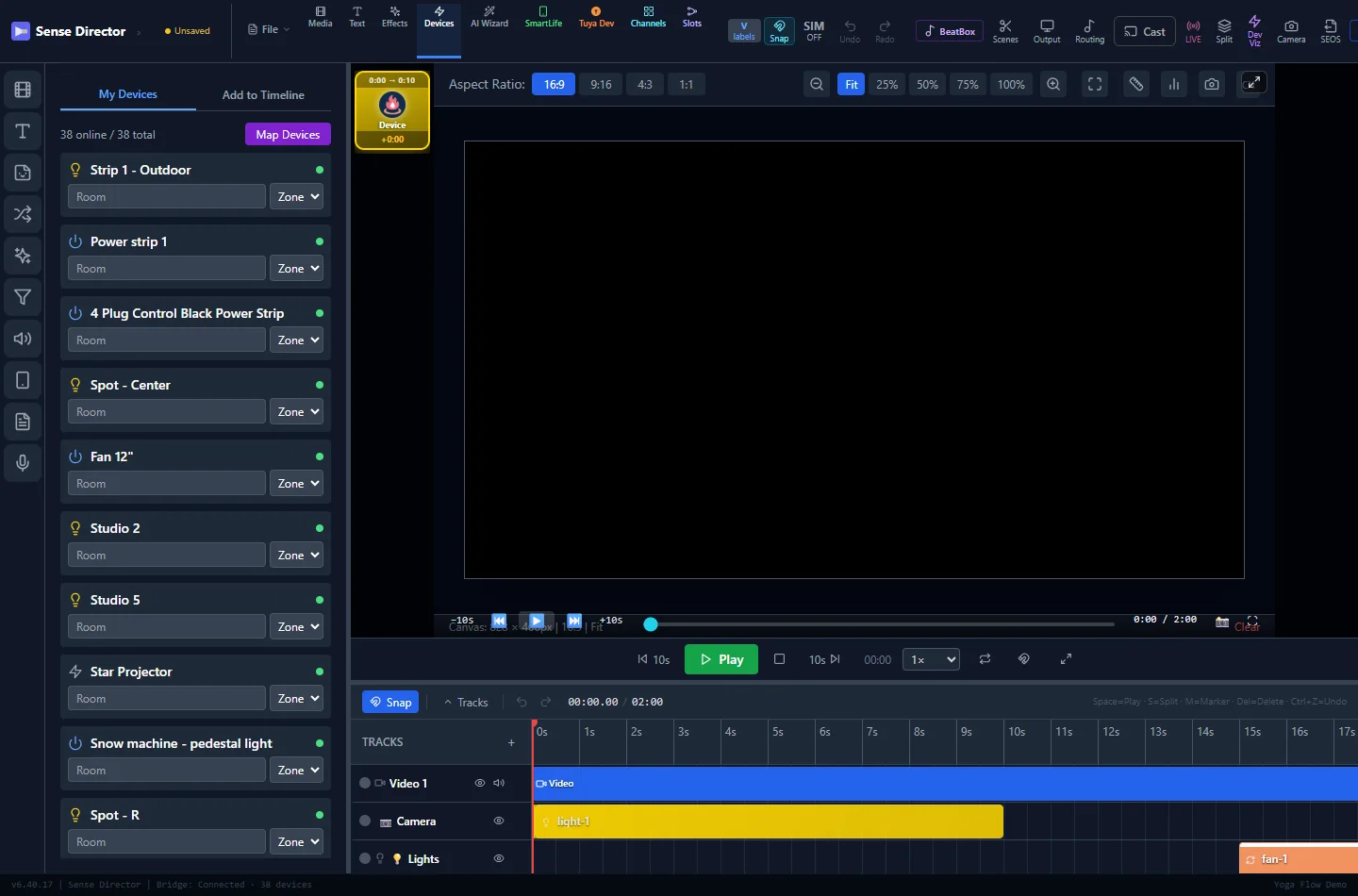 ACTUAL APPLICATION CAPTURE · JULY 14, 2026
THE WORKSPACE
Begin with video, audio or presentation content.
Select cue types that match the approved local setup.
Test timing, stopping, fallback and room reset before use.
The capture shows interface structure. It does not establish device certification, universal compatibility or cue performance.
SEOS · AUDIO ANALYSIS TO PICTOGRAM
SEOS is the audio-to-visual sidecar for Sense Director. Its live review library now represents 687 unique sound concepts across 12 audience and visual-style packs. The current packs contain 8,214 generated images in total, with 681–687 images per pack as the remaining gaps are closed.
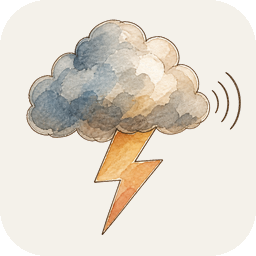
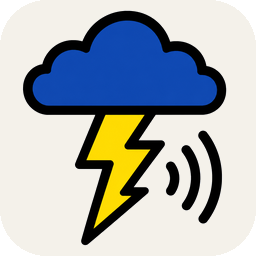
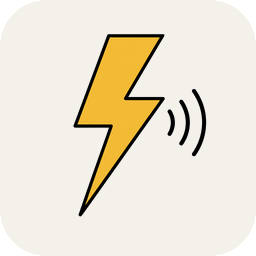
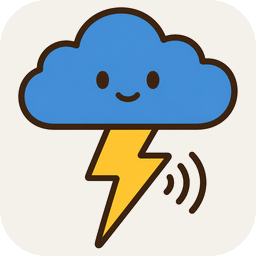
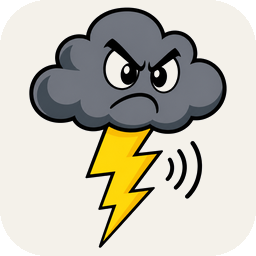
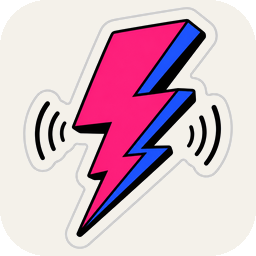

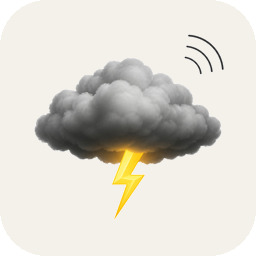
Live or rights-cleared mono audio enters the analysis path.
Frame scores, embeddings and spectrogram features identify candidate events.
SEOS retains the identity, timestamp, confidence and closest alternative.
A reviewed family or specific pictogram becomes the viewer-facing cue.
687 unique sound concepts, 12 audience and style packs, and 8,214 generated pack images were verified live on September 30, 2026. Structured human review is active.
Image count is not recognition accuracy or production approval. Pack gaps, semantic failures, rights, live application integration, accuracy, latency and accessibility outcomes remain separate review gates.
The 687-concept count describes the live visual review vocabulary, not measured recognition accuracy. Human co-design, rights-cleared reference audio, semantic review and confusion testing determine which pictograms advance.
WHERE IT CAN GO
Start with the program people already care about, then design a reviewed local response around it.
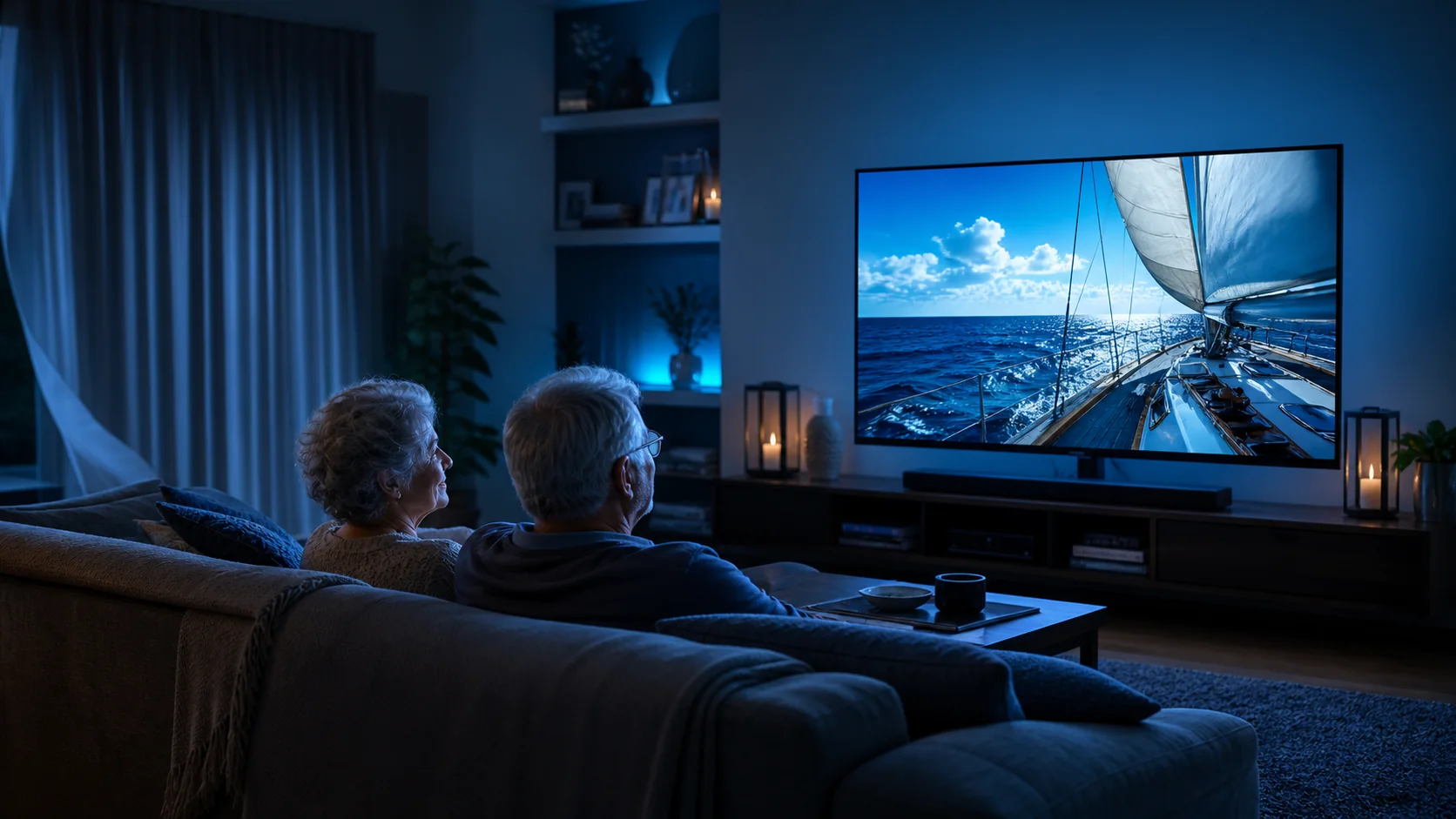
Shape lighting, airflow, sound and other approved cues around a story.
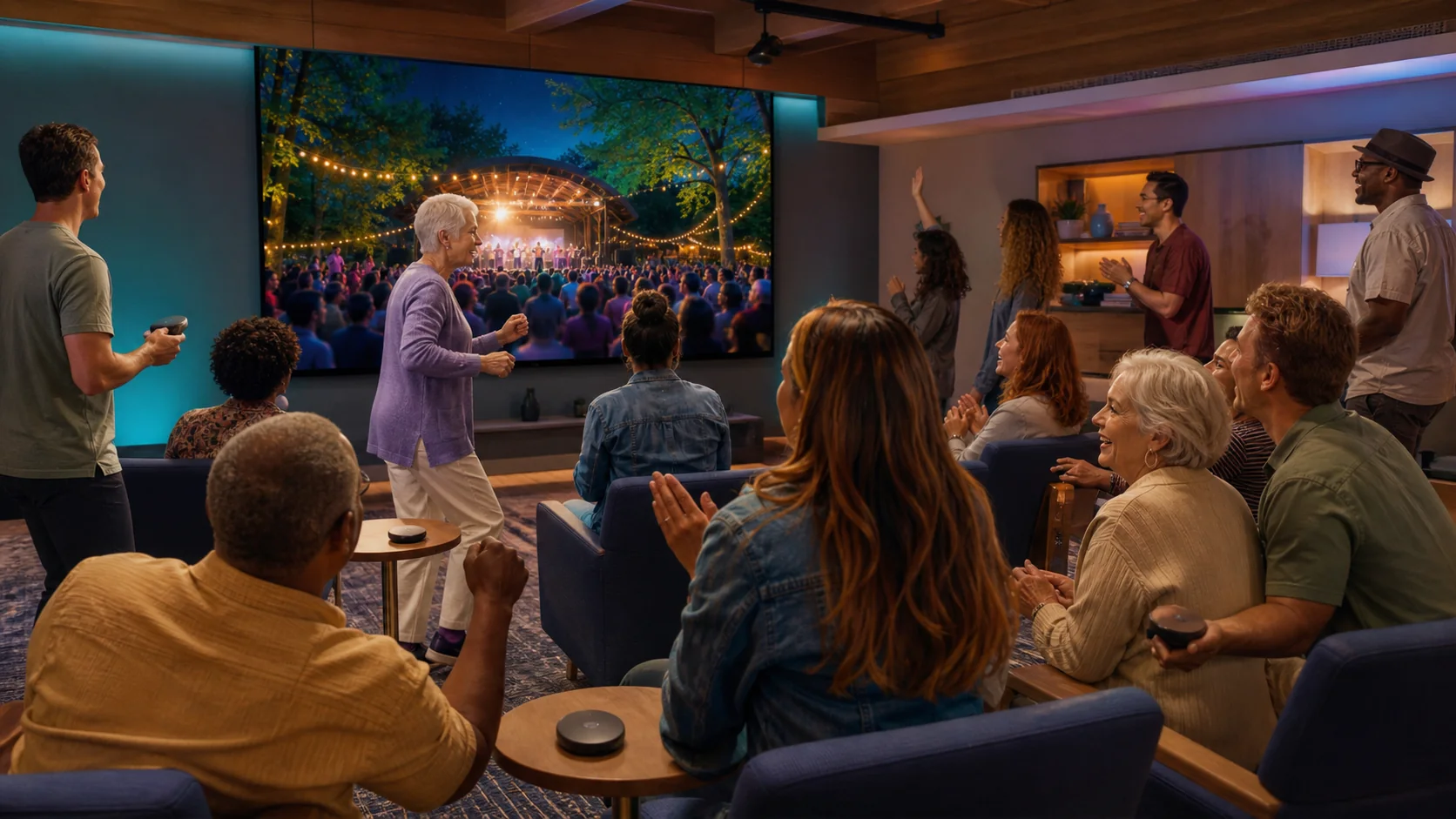
Share the energy of a performance or street festival when attending in person is difficult.
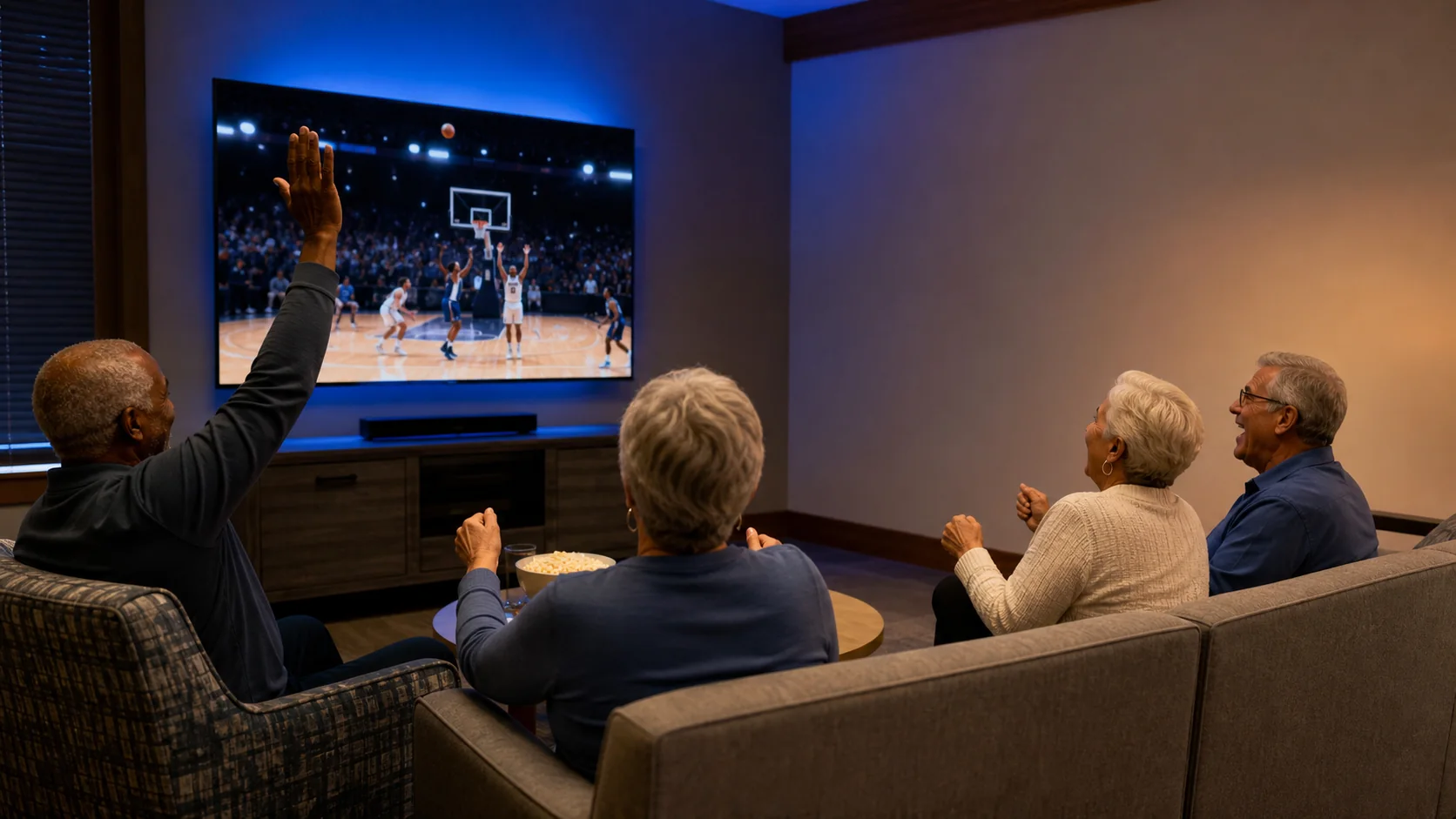
Turn a familiar game into a social, presenter-led room experience.

Coordinate atmosphere and instruction without making medical or therapeutic outcome claims.
DESIGN WITH PEOPLE
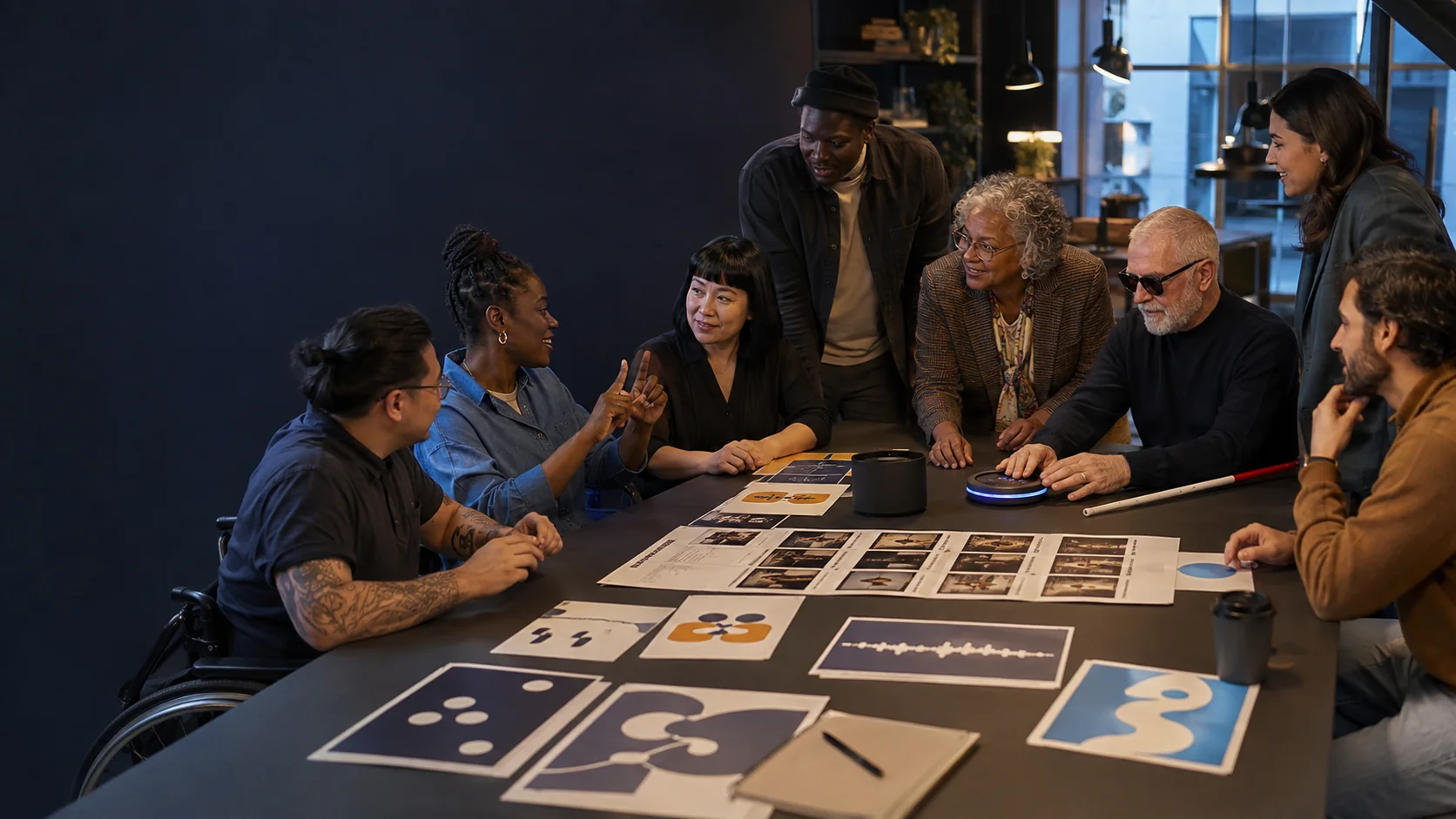
A bounded pilot begins with the people in the room: what they want to watch, which responses feel welcome, what access needs matter, and how anyone can opt out.

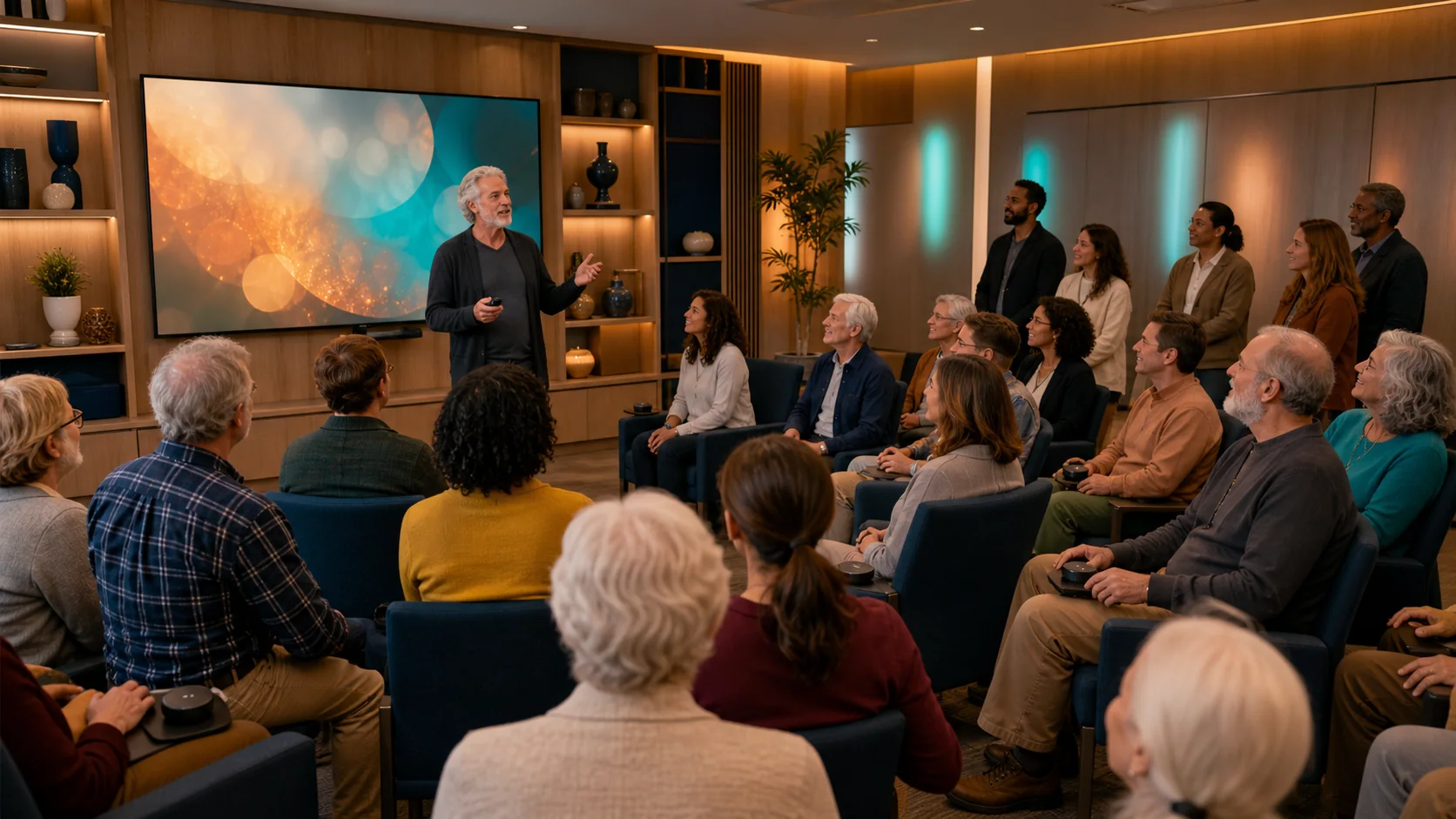
ACCESSIBILITY CO-DESIGN
Accessibility work belongs inside the product process. A proposed paid co-design program gives creators, presenters, viewers and reviewers defined ways to trace a barrier, propose a change, retest it and decide whether it is ready.
Proposed program · No cohort, partner, pilot, compliance certification or accessibility outcome is claimed.
PLANNED SOCIAL LAYER
See when friends are watching, join from your own home, and connect through video, voice, text or quiet company.
Each home uses its own authorized media source.
THE EXPERIENCE PALETTE
This is the documented authoring vocabulary. Exact hardware, commands and safety controls are reviewed for each setup.
The vocabulary is not a promise that every listed type is installed, supported, tested, certified or safe for every participant. Casting execution, multi-scent control, Water Mister mapping and Electric Water Gun mapping remain open evidence gates.
SEE THE STORY
This film uses concept imagery and open captions. It describes a proposed community application.
COMMUNITY EXPERIENCE CENTER
A BOUNDED FIRST STEP
Choose the room, program lead and questions.
Clear content, approve the kit and review participant needs.
Test cues, stopping, fallback and reset.
Record experience, staff effort, reliability and actual costs.
Proposed pilot · Site, rights, accessibility, device and safety reviews precede launch.
THE NEXT PROOF POINT